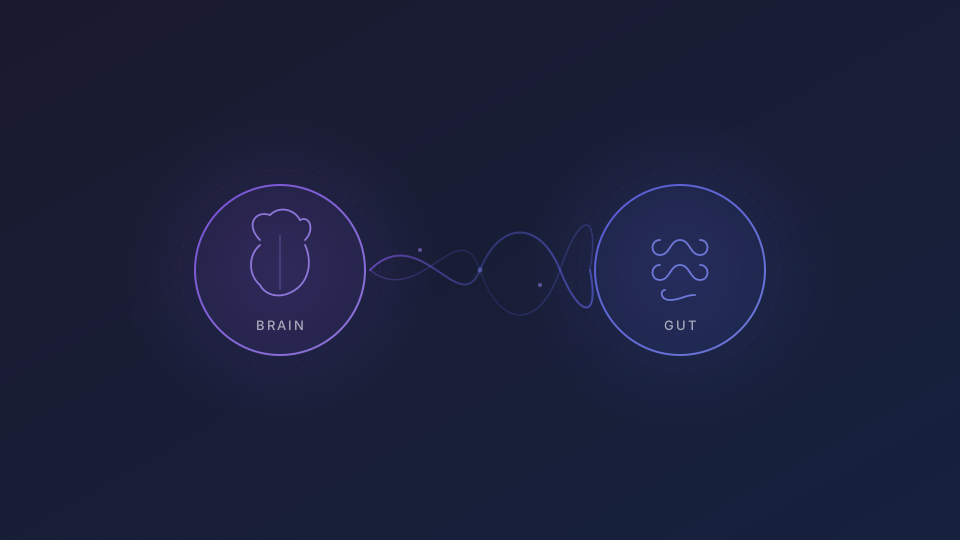
Your gut has a mind of its own
That “gut feeling” you get before a big presentation is not just a figure of speech. Your digestive system contains roughly 500 million neurons — more than your spinal cord — forming what scientists call the enteric nervous system (ENS). This vast neural network earned the gut its nickname: the “second brain.”
But your gut does not work alone. It is in constant, bidirectional communication with your brain through a pathway known as the gut-brain axis. When stress enters the picture, this conversation can go sideways — and your digestion pays the price.
The vagus nerve: your body’s information highway
The primary link between your brain and gut is the vagus nerve, the longest cranial nerve in your body. It runs from your brainstem all the way down to your abdomen, carrying signals in both directions.
When you feel calm, the vagus nerve promotes healthy digestion: stomach acid production, enzyme release, and smooth intestinal contractions (peristalsis) all function normally. But when your brain detects a threat — real or perceived — it sends alarm signals down the vagus nerve that can disrupt every stage of the digestive process.
Think of the vagus nerve as a two-lane highway. Traffic flows from brain to gut (“slow down digestion, we are in danger”) and from gut to brain (“something is off down here, pay attention”). This is why digestive discomfort can trigger anxiety, and anxiety can trigger digestive discomfort — a frustrating feedback loop many people know all too well.
How stress hormones disrupt your digestion
When you experience stress, your body activates the hypothalamic-pituitary-adrenal (HPA) axis, flooding your system with cortisol and adrenaline. These hormones evolved to help you survive immediate physical threats. The problem is that your body responds the same way to a looming work deadline as it would to a predator.
Here is what happens inside your gut during a stress response:
- Blood flow redirects away from the digestive organs and toward your muscles and heart.
- Stomach acid production changes — it may increase (causing heartburn) or decrease (causing poor nutrient absorption).
- Gut motility shifts — stress can either speed up contractions (leading to diarrhea) or slow them down (leading to constipation).
- The intestinal barrier weakens — chronic stress can increase intestinal permeability, sometimes called “leaky gut,” allowing inflammatory compounds to pass through the gut lining.
- Gut bacteria composition changes — stress hormones directly alter the balance of your microbiome.
Stress symptoms and their gut effects
| Stress symptom | Common gut effect |
|---|---|
| Acute anxiety or panic | Nausea, sudden urge to go, diarrhea |
| Chronic worry | Irritable bowel symptoms, alternating constipation and diarrhea |
| Muscle tension | Abdominal cramping, bloating |
| Poor sleep from stress | Slower gut motility, constipation |
| Stress-driven overeating | Acid reflux, indigestion |
| Suppressed appetite from stress | Irregular bowel movements, nutrient gaps |
The stress and IBS connection
Irritable bowel syndrome (IBS) affects an estimated 10–15 percent of the global population, and stress is one of its most consistent triggers. Research shows that people with IBS often have a heightened gut-brain axis response — their enteric nervous system reacts more intensely to stress signals than average.
This does not mean IBS is “all in your head.” It means the communication system between brain and gut is genuinely sensitized. Stressful life events, ongoing anxiety, and even past trauma have all been linked to IBS onset and flare-ups. This is why many gastroenterologists now recommend psychological interventions like cognitive behavioral therapy (CBT) and gut-directed hypnotherapy alongside traditional treatments.
Your gut microbiome and your mood
The connection runs deeper than nerves and hormones. Your gut bacteria produce a surprising amount of the neurotransmitters that regulate mood:
- About 95 percent of your body’s serotonin is produced in the gut, not the brain.
- Gut bacteria also produce GABA, dopamine, and norepinephrine — all chemicals that influence how you feel.
- A less diverse microbiome has been linked to higher rates of depression and anxiety in multiple studies.
This means that when stress damages your gut microbiome, it can also affect your mental health — which creates more stress, which further damages your microbiome. Breaking this cycle requires addressing both sides of the equation.
Practical ways to support your gut-brain axis
The good news is that you can actively improve gut-brain communication. These evidence-backed strategies target both ends of the axis.
Diaphragmatic breathing
Deep belly breathing directly stimulates the vagus nerve, shifting your nervous system from “fight or flight” to “rest and digest.” Try this: inhale for 4 counts, hold for 4 counts, exhale for 6 counts. Even 5 minutes a day can make a measurable difference in vagal tone and digestive function.
Regular exercise
Moderate physical activity — walking, cycling, swimming, yoga — reduces cortisol levels and increases microbial diversity in the gut. You do not need intense workouts; consistency matters more than intensity. Aim for 150 minutes per week of movement you actually enjoy.
Prioritize sleep
Sleep deprivation increases cortisol, disrupts the microbiome, and slows gut motility. Most adults need 7–9 hours. Keeping a consistent sleep schedule (even on weekends) has a stronger effect on gut health than most people realize.
Mindfulness and meditation
A regular mindfulness practice — even 10 minutes daily — has been shown to reduce IBS symptoms and lower gut inflammation. Apps and guided meditations make this accessible even for beginners. The key is regularity, not duration.
Feed your gut bacteria well
Stress often drives us toward processed comfort foods, but your microbiome thrives on diversity. Prioritize fiber-rich foods (vegetables, legumes, whole grains), fermented foods (yogurt, kimchi, sauerkraut), and prebiotic foods (garlic, onions, bananas). These give your beneficial bacteria the fuel they need to support both digestion and mood.
Limit gut irritants during high-stress periods
When you are already stressed, your gut is more sensitive. Consider reducing alcohol, caffeine, and highly processed foods during particularly stressful stretches. This is not about permanent restriction — it is about giving your gut a better chance to cope when it is already under pressure.
Track the pattern with Flushy
One of the most powerful things you can do is notice the connection between stress and your digestion. Many people do not realize how strongly correlated their gut symptoms are with stressful events until they start tracking.
With Flushy, you can tag entries with “stress” every time you log a bowel movement during a stressful day. Over time, the pattern becomes clear — and awareness is the first step toward breaking the cycle. You might discover that your Type 5 and 6 stools cluster around deadlines, or that your constipation aligns with poor sleep weeks.
The gut-brain connection is real, powerful, and — most importantly — something you can influence. Start paying attention, and your gut will thank you.
This article is for informational purposes only and does not constitute medical advice. Consult a healthcare professional for personalized guidance.